Do the Potential Benefits of Modernization Outweigh the Loss of Cultural Identity?: An Examination of Greenland's Social Housing Project Blok P
Abstract:
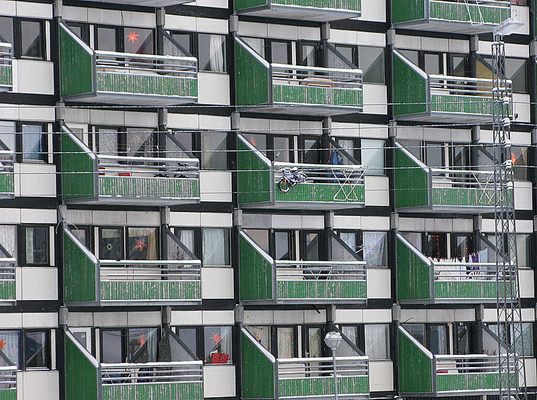
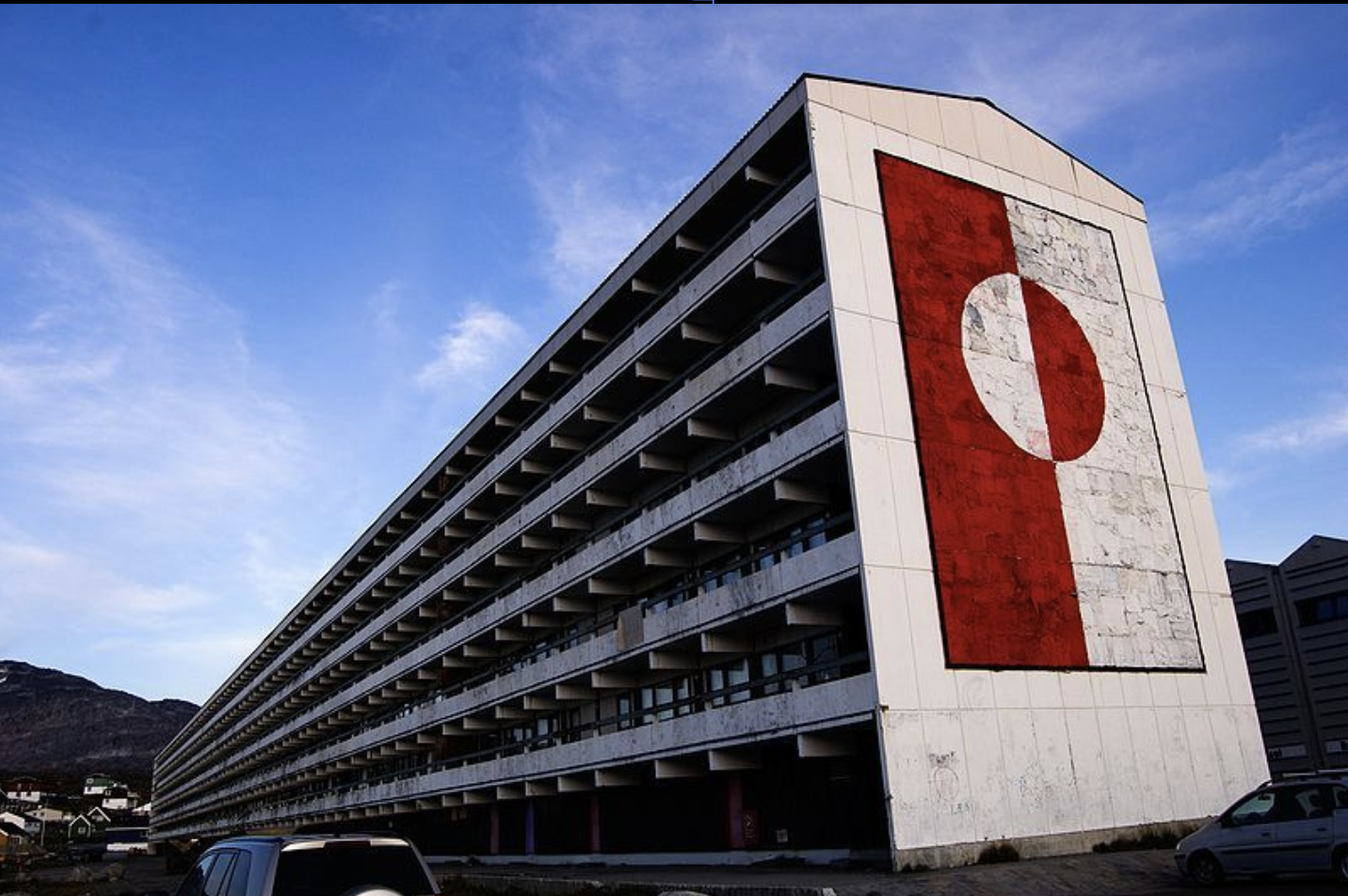
Modernization is often perceived as a universally beneficial process that objectively improves living conditions and enriches the lives of millions through continually pushing the boundaries of modern technology and innovation. Similarly, modernization is viewed as an inevitable part of society, with the process itself being synonymous with the passage of time and movement into new phases of life. This narrative, however, implies that modernization is not only vital to a society's identity but also reinforces the idea of linear progression. This assessment, however, presents a false reality of modernization. Modernization is neither linear nor universal. If modernization were to assume a strictly linear path, that would imply that every society exists somewhere along the timeline of progress. In turn, this mentality exposes an intrinsic hierarchy that privileges specific cultural norms and practices while depreciating others. This is evident in colonial dynamics in which one entity projects its ideologies onto another, deeming its native practices insufficient and in need of intervention to fit the dominant culture's standards. Oftentimes, this relationship is derived from intrinsic cultural biases and a desire to exert control, using modernization as a thinly veiled attempt at cultural domination and assimilation. This practice is particularly evident in the built environment, where architecture operates as a response to evolving human needs and as a tool for reconfiguring them. In the case of Greenland’s social housing project, Blok P, modernization was presented as the solution to the Danish government’s national identity crisis and the means to restore access to equitable healthcare to the indigenous Inuit population. However, without the consultation or consent of the Inuit people, Blok P quickly became evidence of the Danish government’s failures and overall disregard for its indigenous communities. The development of Blok P and the subsequent relocation of the Inuit population were attempts by the Danish government to assimilate the Inuit into Eurocentric standards of living, ultimately perpetuating dangerous rhetoric that there is a universal standard for progress, one strictly aligned with Western values. This essay argues that modernization cannot be viewed as an objective facilitator of progress, as there is no one standard for social advancement, and instead, progress is a culturally specific gauge that cannot and should not be universally applied. Likewise, modernization should never be at the detriment of a culture’s traditions, livelihood, or well-being, as true progress cannot exist without these integral aspects of life.