Dual Identities and Architectural Expressions in Louise Bourgeois’ Maman
Abstract:
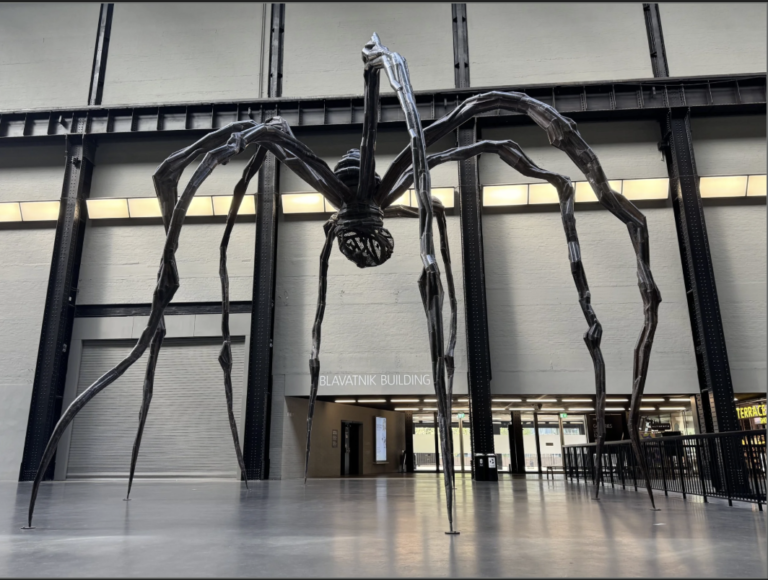
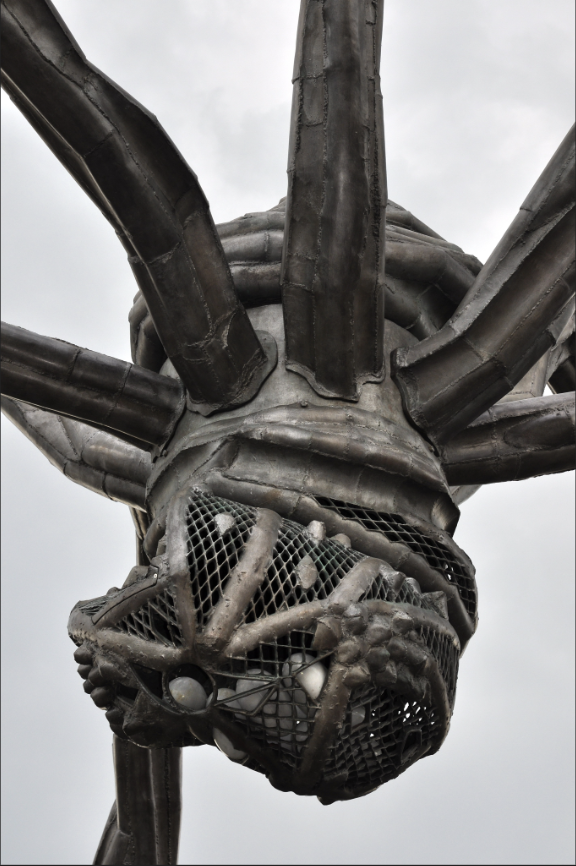
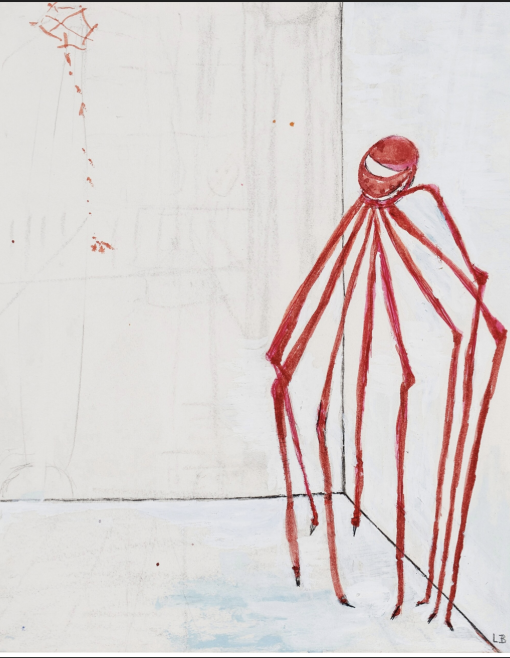
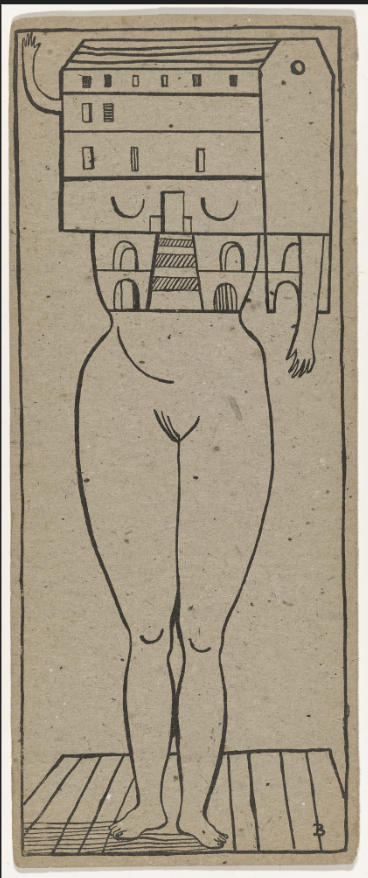
This paper explores the dual representation of protection and entrapment in Louise Bourgeois’s work and analyzes how she uses architecture to explore themes of motherhood. Bourgeois's work is rooted deeply in autobiographical experiences, particularly her complex relationship with motherhood and her reflections on childhood trauma. Maman, a 30-foot-tall bronze and steel spider sculpture, serves as a profound symbol of both loving maternal protection and the suffocating burden of motherhood. The intricate design of the spider, featuring a juxtaposition of strength and fragility, mirrors Bourgeois’s own experiences of isolation, love, and the complexities of motherhood. Similarly, Bourgeois’s series Femme Maison (1946-47) merges residential structures with the bodies of women, effectively reflecting the same sentiments as Maman. Maman represents both the protector and the captor, just as the house in Femme Maison represents shelter and entrapment, speaking to the duality of maternal identities in Bourgeois’s work. Although achieved through different means, both works rely on architecture as a pivotal tool to explore the confines and limitations of motherhood. In these ways, Maman is a thematic and technical continuation of her early Femme Maison series.